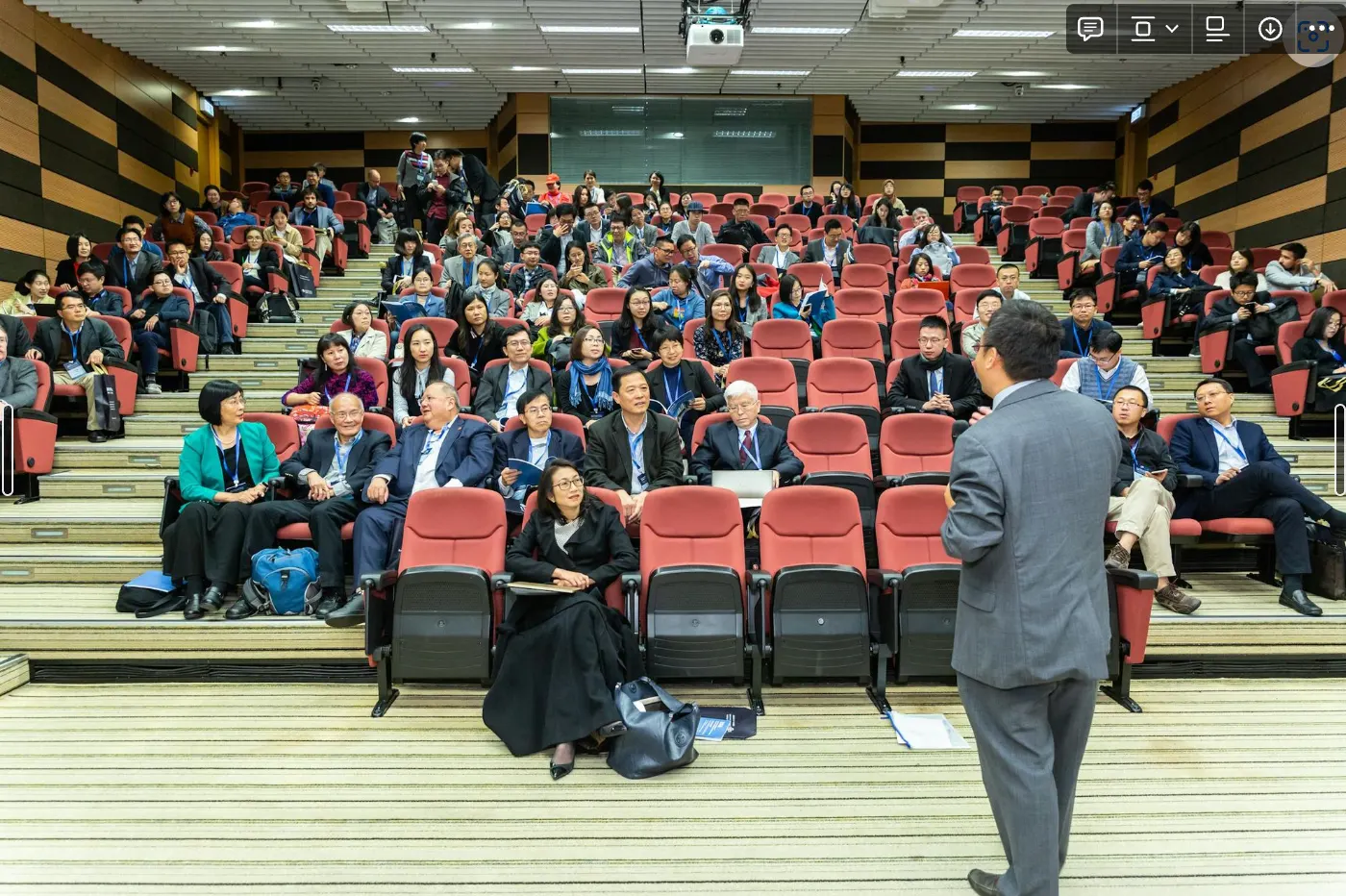
Events never stop—parties, conferences, meetups. Finding the right people in the room is still hard. You’re at a tech conference looking for a web developer, and you have no clear signal of who does what. That is the problem Icebrekr solves.
Icebrekr — Problem Statement
How it works
By default, Icebrekr finds people Nearby within Bluetooth range. At an event, it uses internet and Bluetooth together to surface Virtual and Nearby attendees. Keyword search returns people you can connect with—personally or professionally.
Starting point
The app ships on Android and iOS. Flow and visual usability issues were limiting adoption and revenue. I proposed a full UX audit so we could prioritise fixes from evidence, not guesswork.
User feedback came through Slack and video calls—clients asked attendees to install and use the app on site. Early reception was strong, with a steady stream of feature requests.
Research was deferred for this engagement. Stabilising the existing experience had to come first before we widened the brief.
04
Design
Process Flow & Information Architecture
Process flow is the pivotal artifact. Stakeholder, design, development, and testing align here—and all four sign off before we move on. Each swimlane maps to a persona, so stakeholders see expected behaviour, engineers can shape backend and frontend logic, and QA can draft test cases early.
Information architecture follows. Actions from the process flow become screens—or map onto existing ones. We review IA with engineering and stakeholders so frontend hierarchy can start in parallel.
Note: some flow lines may be missing after migration.
Wireframe
With IA defined, screens need a low-fidelity shape. I wireframed in Balsamiq. Icebrekr’s original wireframes remain with the client, so they are not shown here.
Below are sample wireframes that show the fidelity and structure I use.